If you're asking what it's like to live in Augusta, GA, here's the short version: Augusta is a mid-size Southern city built along the Savannah River, known for slower-paced living, affordable homes, a strong medical and military presence, and a genuine sense of community. It's not a fast, flashy city — it's a place where people put down roots.
The right fit depends on what you're looking for. Augusta works well for families who want space and good value, professionals connected to the medical or military community, and retirees who want a quieter pace without giving up conveniences. Understanding the neighborhoods, the commute patterns, and the seasons will help you decide if Augusta is the right move for you.
What a Regular Day Here Looks Like
Numbers only tell you so much. Here's a feel for the rhythm of an ordinary day, scroll through to see it →
Coffee & a Riverwalk Loop
A walk or run along the Savannah River before the day heats up — a quiet, local habit more people pick up than expect.
A Short Commute
Most commutes across the metro area run fifteen to thirty minutes, whether you're headed downtown or out to Evans.
Lunch Somewhere Local
Family-owned lunch counters and a growing downtown food scene make it easy to eat well without a chain restaurant in sight.
Errands, Close to Home
Grocery runs, school pickup, and appointments rarely require crossing town — a real quality-of-life difference from bigger cities.
Dinner on the Water
Riverfront restaurants and porches fill up in the evening, especially once the heat of the day starts to break.
Markets & Neighbors
Farmers markets, church, and knowing your neighbors by name are still part of everyday life here.
Augusta and the Surrounding CSRA
Augusta, GA sits on the Georgia side of the Savannah River, directly across from North Augusta, SC. Together with Aiken SC, Evans GA, Martinez GA, and Grovetown GA, Augusta anchors what locals call the CSRA — the Central Savannah River Area. This matters for anyone moving here, because your day-to-day life often stretches across two states without you thinking twice about it.
Someone living in Augusta might work at a hospital downtown, shop in Evans or Martinez, and cross the river into North Augusta or Aiken for dinner or a Saturday morning at the farmers market. It's a connected region, not just a single city, and that's part of why people who move here for one reason often end up staying for another. Augusta-Richmond County is home to more than 200,000 residents, making it one of the larger metro areas in the state of Georgia.
Where People Live in Augusta, and Why
Augusta doesn't have a one-size-fits-all neighborhood. Where you'll be happiest depends on your stage of life and what you want your daily routine to look like.
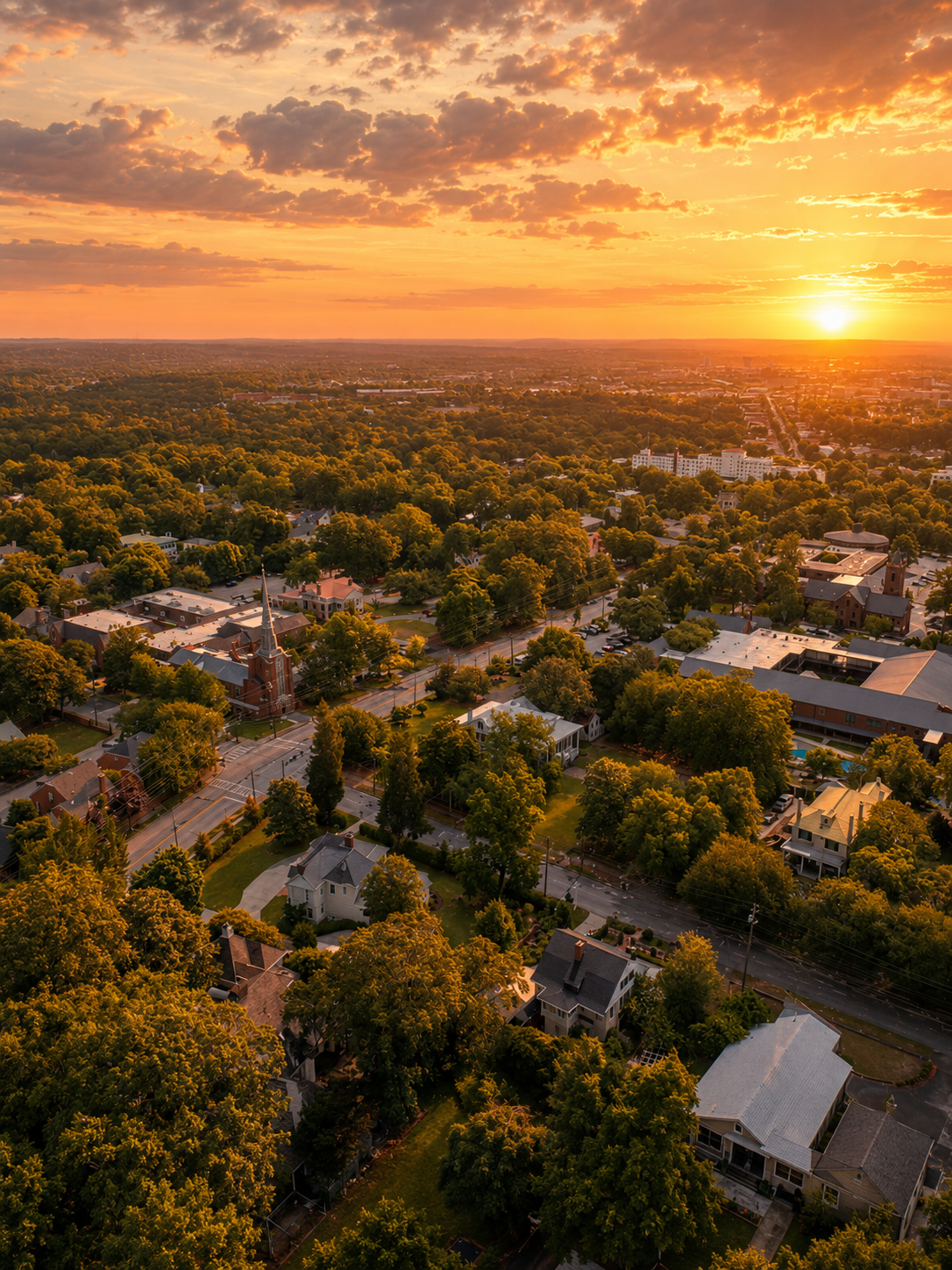
Historic Charm, Walkable Streets
Known for historic homes, mature trees, and walkability. This is a popular area for buyers who want character and proximity to the Augusta University medical campus and downtown.

Loft Living Along the River
A growing pocket of lofts, renovated storefronts, and riverfront living along the Augusta Riverwalk. This appeals to younger buyers and anyone who wants restaurants and events within walking distance.
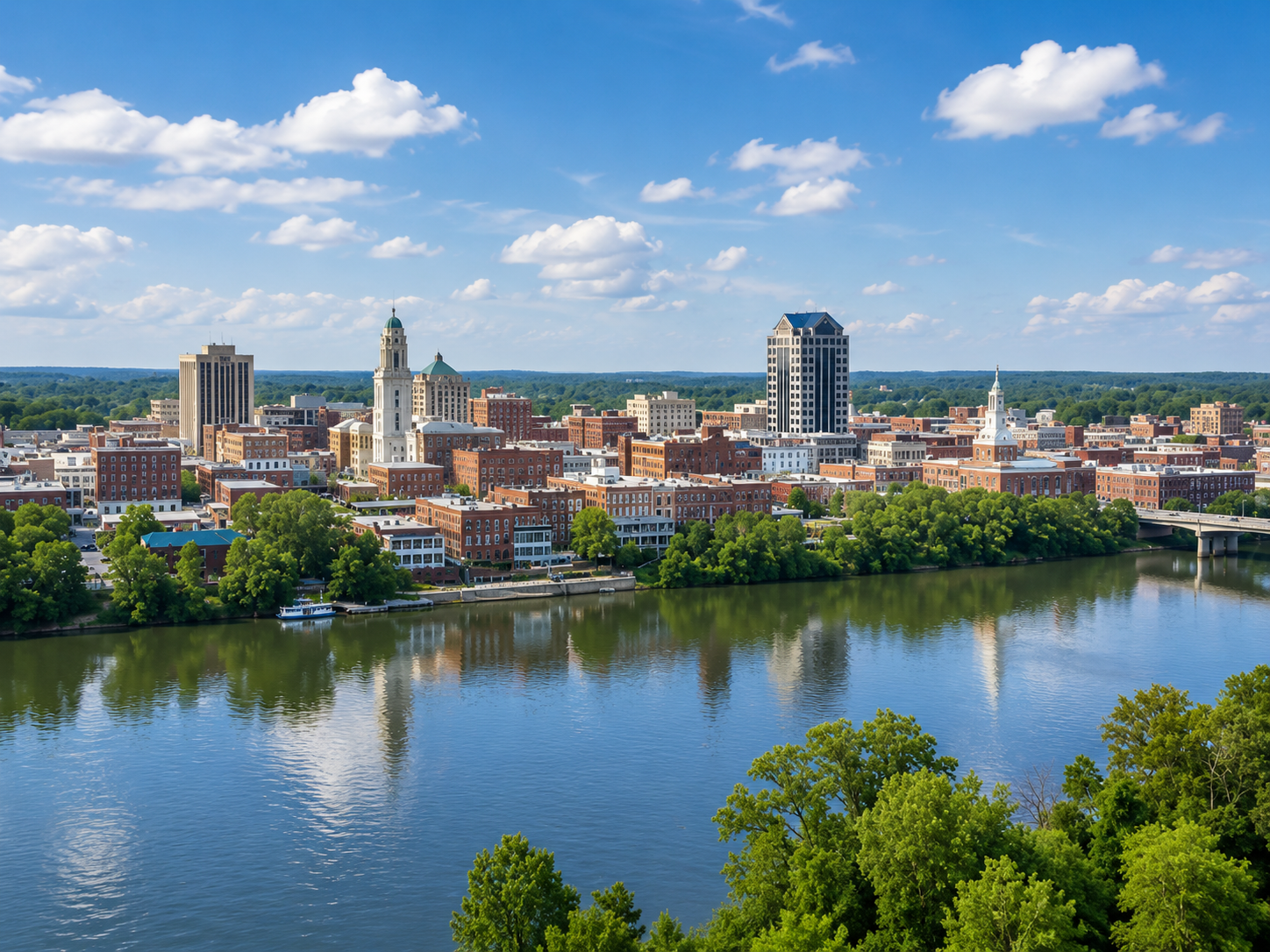
Established, Convenient, Comfortable
Established neighborhoods with a mix of ranch homes and mid-century architecture, close to shopping, medical offices, and I-20 access.
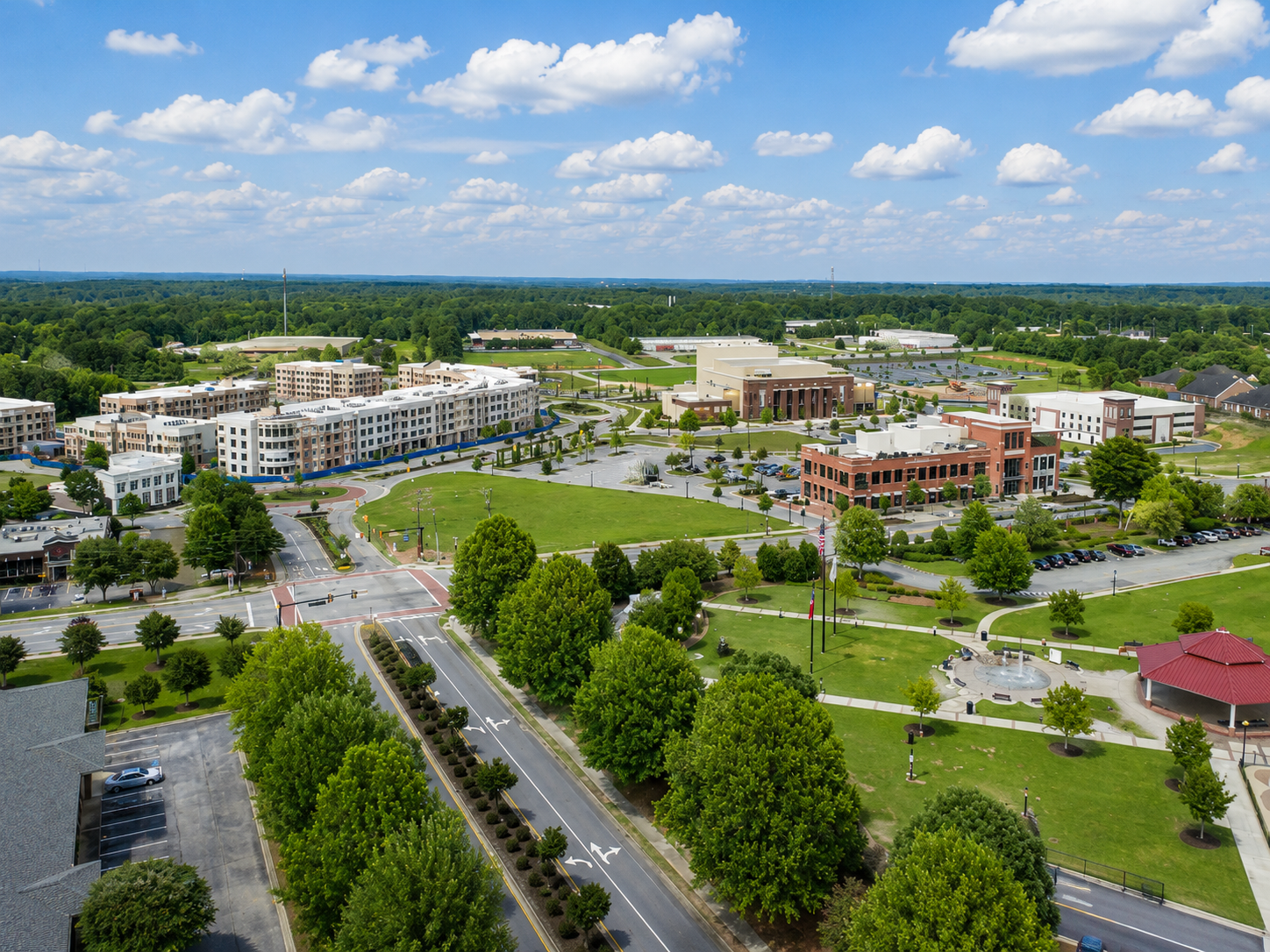
Space, Schools, and New Construction
Technically part of the greater Augusta area, this is where many families land for newer construction, highly rated schools, and a suburban feel. It's a common landing spot for relocating families who want more space.
What It Costs to Live in Augusta, GA
One of the biggest reasons people move to Augusta is affordability. Home prices, property taxes, and everyday expenses in Augusta are generally lower than the national average and noticeably lower than larger Georgia cities like Atlanta or Savannah.
Housing costs vary a good bit by neighborhood. Established Augusta neighborhoods can offer strong value on older, character-filled homes, while newer construction in Evans and Martinez tends to carry a higher price point in exchange for updated finishes and larger lots. Renters will find a similar range, with more budget-friendly options closer to the city center and higher rents in newer developments further out.
Utilities, groceries, and everyday services also tend to run below the national average, which is part of why Augusta appeals to first-time buyers, retirees on a fixed income, and families trying to stretch a housing budget further than they could elsewhere.
Jobs, Medicine, and Military Life in Augusta
Augusta's economy is anchored by a few major pillars, and understanding them helps explain who tends to move here.
- Medical community: Augusta University Health and the Medical College of Georgia make healthcare one of the largest employers in the region, drawing physicians, nurses, and medical students from across the Southeast.
- Military presence: Fort Eisenhower (formerly Fort Gordon) brings a steady flow of active-duty families, contractors, and cybersecurity professionals into the area, along with a strong military relocation market.
- Manufacturing and energy: Employers like Textron and the nearby Savannah River Site provide additional stability to the local job market.
This mix means Augusta has a fairly steady stream of newcomers year-round, not just a seasonal moving pattern, which keeps the housing market active without the sharp swings some other cities experience.
Weather, Seasons, and Life Outdoors
Augusta has a humid subtropical climate. Summers are warm and humid, with plenty of afternoons that call for a pool, the river, or air conditioning. Winters are mild, with occasional cold snaps but rarely significant snow. Spring is when Augusta shows off, with azaleas blooming across the city right around the time the Masters Tournament brings the world's attention to town.
Outdoor life centers on the Savannah River. The Augusta Riverwalk offers a place to walk, run, or grab dinner along the water, and nearby lakes and the Aiken area offer additional options for boating, fishing, and equestrian activities.
Schools and Raising a Family in Augusta
Families relocating to the area often split their search between Richmond County (Augusta proper) and Columbia County (Evans, Martinez, Grovetown), which has some of the highest-rated public schools in Georgia. That's a major reason Columbia County has grown quickly over the past decade.
Beyond schools, families moving to Augusta tend to value the pace of life. Youth sports, church communities, and neighborhood connections still play a big role here, and it's common for families to know their neighbors in a way that feels increasingly rare in larger cities.
Why Understanding Augusta Matters Before You Move
Augusta can be a great fit for a lot of different people, but it's not the same city for everyone. A retiree looking for a quiet neighborhood close to healthcare has different priorities than a military family who needs to be close to Fort Eisenhower, or a first-time buyer trying to get the most home for their budget.
Taking the time to understand the neighborhoods, the seasons, and the local economy before you buy helps you avoid the most common relocation regret: picking a house before you understand the area around it. A little local knowledge upfront saves a lot of second-guessing later.

How I Help People Moving to Augusta
When someone reaches out to me about moving to Augusta, my first goal is to understand what they actually need from their next home — not just a bedroom count, but a lifestyle. Are you looking for walkability, a short commute to the hospital, room for horses, or a quiet street for retirement?
I've spent more than twenty years working with buyers and sellers across Aiken, North Augusta, and Augusta, and I've seen firsthand how much the right neighborhood match matters. My job is to walk you through the real differences between areas like Evans, Summerville, and downtown Augusta, so you can make a confident decision instead of guessing based on a listing photo.
"My goal is to help you understand your options before you make a decision. Real estate is a big step, and having the right local guidance can make the process feel a lot clearer." — Linda Limehouse, Realtor®
Whether you're relocating for a new job, retiring to be closer to family, or simply ready for a change of pace, I'm happy to talk through what Augusta living actually looks like before you start touring homes.
Common Questions About Living in Augusta, GA
Is Augusta, GA a good place to live?
For many people, yes. Augusta offers an affordable cost of living, a stable job market anchored by healthcare and the military, and a slower pace than larger Georgia cities. It tends to suit families, retirees, and professionals more than buyers looking for a big-city nightlife scene.
What is the cost of living like in Augusta, GA?
Augusta's cost of living is generally below the national average, especially for housing. Home prices and property taxes are lower than in Atlanta or Savannah, which is one of the main reasons buyers relocate here.
What are the best neighborhoods in Augusta, GA?
It depends on your priorities. Summerville and Forest Hills offer historic charm, downtown Augusta offers walkability along the river, and Evans and Martinez in Columbia County are popular with families due to newer homes and top-rated schools.
Is Augusta, GA good for raising a family?
Yes, particularly in Columbia County, which includes Evans, Martinez, and Grovetown. These areas are known for strong public schools, newer neighborhoods, and family-oriented communities.
What is the job market like in Augusta, GA?
Healthcare and the military are the two biggest drivers of Augusta's economy, thanks to Augusta University Health, the Medical College of Georgia, and Fort Eisenhower. Manufacturing and energy also play a role, giving the local economy a fairly stable base.
What is the weather like in Augusta, GA?
Augusta has hot, humid summers and mild winters with little snow. Spring is especially popular, when azaleas bloom throughout the city around the time of the Masters Tournament.
How far is Augusta, GA from Atlanta?
Augusta is about two and a half hours from Atlanta by car via I-20, which makes it a common choice for people who want small-city living within driving distance of a major metro area.
Thinking About Moving to Augusta?
Let's talk through what your day-to-day life could look like here, so you can decide if Augusta is the right next step for you and your family.